
The evolution of gambling tracing the history from ancient games to modern casinos
The Origins of Gambling: Ancient Civilizations
The history of gambling can be traced back thousands of years, with some of the earliest evidence found in ancient China, where games involving dice were played as early as 2000 BCE. The Chinese developed various games of chance, paving the way for future gambling practices. Similarly, ancient Egyptians were known to gamble with dice made from bones, while the Romans introduced betting on gladiatorial contests, showcasing that the allure of chance has always captivated human societies. Today, one can explore options such as payid online casino australia that reflect this enduring fascination with gaming.
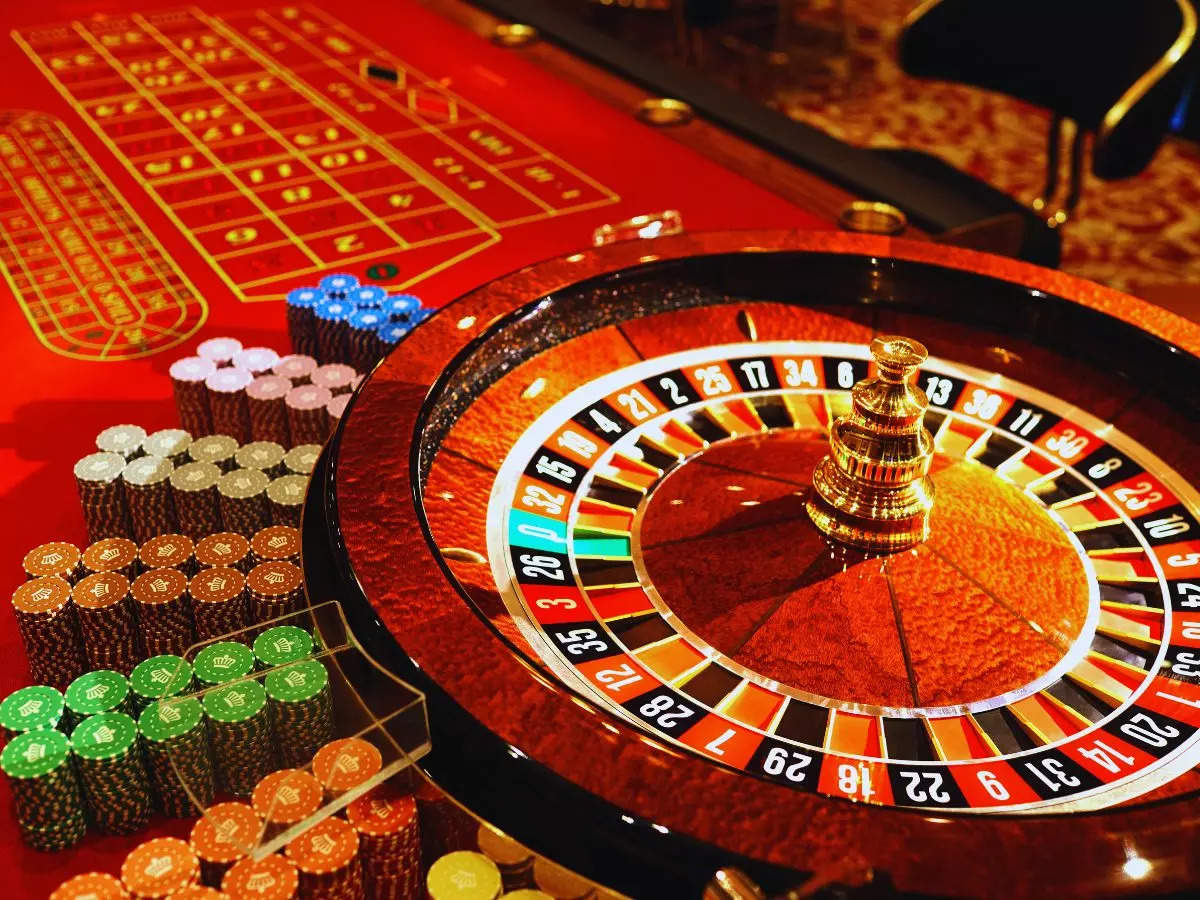
These early forms of gambling were not merely recreational; they often held cultural and social significance. For instance, they were used in rituals or as a means to settle disputes. The emergence of gambling in these ancient civilizations highlights its deep-rooted presence in human history and suggests that it served as a form of social bonding and entertainment long before modern casinos came into existence.
The Development of Games in the Middle Ages
During the Middle Ages, gambling evolved significantly with the introduction of card games in Europe. By the 14th century, the popularity of cards spread rapidly across the continent, giving rise to games such as poker and blackjack, which remain popular today. Additionally, the establishment of the lottery in France during the 16th century marked a notable shift, providing a legal and organized means for people to gamble.
This period also saw the emergence of gambling houses, where patrons could gather to play games of chance. These establishments laid the groundwork for the modern casino, fostering a culture of gaming that was increasingly accessible to the public. The social aspect of gambling began to flourish as these venues served not only as places to play but also as centers for social interaction.
The Rise of Modern Casinos in the 19th Century
The 19th century heralded a new era for gambling with the establishment of casinos in Europe and America. The first official casino, the Casino di Venezia, opened in Italy in 1638, but it was in the 1800s that the concept gained widespread popularity. Monte Carlo became a symbol of luxury and excitement, attracting the wealthy elite who sought both entertainment and opportunity to gamble.
As the gaming industry matured, so did the regulations surrounding it. Governments began to recognize the potential economic benefits of legalized gambling, leading to the establishment of regulatory frameworks. This evolution set the stage for more structured and organized gaming environments, ultimately contributing to the casino boom seen in the 20th century.
The Digital Revolution: Online Gambling
The advent of the internet in the late 20th century transformed gambling once again, leading to the emergence of online casinos. The first online gambling site launched in 1994, marking the beginning of a new phase in the gambling industry. Players could now enjoy their favorite games from the comfort of their homes, making gambling more accessible than ever before.
Online casinos have introduced innovative technology, enhancing user experiences with live dealer games and interactive features. The proliferation of mobile devices further propelled the industry, allowing players to gamble on the go. However, this digital shift also raised concerns regarding responsible gambling, as users could easily develop addictive behaviors without the traditional checks found in physical casinos.

Your Guide to Responsible Gambling
As gambling has evolved, so has the importance of responsible gaming practices. With the rise of online gambling, players must navigate the potential risks associated with easy access to betting. Understanding personal limits and recognizing when to stop are essential for a positive gambling experience. Various organizations provide resources and support for individuals who may struggle with gambling addiction.
Additionally, many modern casinos, both physical and online, have implemented measures to promote responsible gambling. These include self-exclusion programs and tools to help players track their spending. Educating oneself about safe gambling practices ensures that the thrill of the game can be enjoyed responsibly, contributing to a sustainable gaming culture.

Recent Comments